The hidden costs of cheap translation
Why cheap translation often ends up costing more
A mistranslated sentence can cost thousands. In some cases, much more.
In a business world driven by speed and efficiency, translation is often seen as an easy place to cut costs. With countless tools and low-cost providers promising fast turnaround times, it can feel like a simple, interchangeable service.
But that assumption comes at a price.
Poor translation is not just a linguistic issue. It can affect customer trust, brand perception, compliance, and even legal standing. What looks like a small saving upfront often leads to higher costs later, through rework, lost opportunities, and reputational damage.
And by the time companies realise it, the damage is already done.
What companies underestimate about translation
For many organisations, translation happens at the end of a project, when deadlines are tight and budgets are already stretched.
To someone outside the industry, it may seem straightforward. Just convert words from one language to another.
But translation is not conversion. It is interpretation. It requires cultural understanding, context awareness, subject-matter expertise, and consistency across multiple assets.
When these elements are missing, meaning gets distorted. And when meaning is lost, so is clarity, trust, and credibility. This is where many companies begin to underestimate the real impact of translation on their business.
The real risks of low-cost translation
Cheap translation often relies on automation alone or on underqualified resources working under tight time pressure. While the output may look acceptable at first glance, the underlying risks are significant.
Legal and compliance risks
In legal and regulated contexts, precision is not optional.
A single mistranslated clause can:
- Change contractual obligations
- Create legal loopholes
- Invalidate agreements.
In industries like healthcare, pharmaceuticals, or finance, the consequences can be even more serious. Incorrect dosage instructions, misleading disclaimers, or poorly translated policies can lead to non-compliance, fines, or product recalls.
Brand and customer impact
Language is a direct extension of your brand. When translation lacks nuance, your brand voice becomes inconsistent or unnatural. Messages that work in one language may sound flat, confusing, or even inappropriate in another.
This often results in:
- Reduced trust from international audiences
- Lower engagement and conversion rates
- A perception of low quality or lack of attention to detail.
Customers may not always identify the exact issue, but they notice when something feels off.
Operational inefficiencies
Poor translation does not just affect external communication. It also creates internal friction.
Common consequences include:
- Inconsistent terminology across teams
- Duplicated work and version confusion
- Delays in product launches
- Increased support requests due to unclear information.
What seemed like a quick and cheap solution quickly turns into a cycle of corrections and inefficiencies.
How translation errors impact your business
One of the most overlooked aspects of poor translation is how quickly errors spread.
Once incorrect or inconsistent content enters your workflow, it rarely stays isolated. It gets reused, copied, and adapted across multiple materials and systems.
You might start seeing the same issue appear in product pages, user manuals, marketing campaigns, and internal documentation. Over time, this creates a fragmented content ecosystem that is difficult and expensive to fix.
Correcting these issues after publication often involves:
- Reprinting materials
- Updating multiple digital assets
- Coordinating across teams and markets.
At that point, the initial savings from cheap translation have long disappeared. What started as a cost-saving decision becomes a long-term operational burden.
AI and professional translation: finding the right balance
Artificial intelligence has transformed the translation landscape.
Machine translation can process large volumes of content in seconds, making it a powerful tool for speed and scalability. But speed alone is not enough.
AI cannot fully understand cultural nuance, tone, brand voice, or context-specific meaning. It cannot decide when a message needs adaptation rather than direct translation.
That is why AI works best as part of a broader process, not as a standalone solution.
When combined with human expertise, technology becomes a powerful enabler. AI handles volume and efficiency, while professional linguists ensure accuracy, consistency, and cultural relevance. This balance allows companies to scale their content without compromising quality.
Why quality translation is a long-term investment
Investing in high-quality translation may seem more expensive upfront, but it reduces costs over time.
Professional translation provides:
- Consistency across all content and channels
- Accurate and context-aware messaging
- Alignment with your brand voice
- Compliance with industry-specific requirements.
It also creates long-term efficiency.
With tools like translation memories and terminology management, approved content becomes a reusable asset. Once something is translated correctly, it does not need to be recreated from scratch.
This reduces duplication, improves consistency, and speeds up future projects.
Cheap translation offers no such continuity. Each project starts from zero, often repeating the same mistakes. What looks like a saving quickly becomes a cycle of rework and correction.
How to avoid the hidden costs
Avoiding these risks does not require overcomplicating your process. It starts with a more strategic approach to language.
Key best practices include:
- Involving translation earlier in the content workflow
- Working with specialised providers who understand your industry
- Combining AI with human review
- Maintaining consistent terminology across all materials
- Investing in quality assurance processes.
Translation should not be treated as a final step. It should be part of your overall communication strategy.
A smarter approach to global communication
At t’works, translation is seen as a long-term partnership, not a one-off task.
By combining advanced technology with expert linguists, it is possible to deliver content that is not only accurate, but also consistent, culturally relevant, and aligned with your brand.
The hidden costs of cheap translation are real, but they are also avoidable.
Choosing quality from the start helps protect your reputation, reduce risk, and create stronger connections with international audiences.
If you're looking to improve the quality and consistency of your multilingual content, we’d be happy to support you.
Because in global communication, being understood is not enough. You need to be trusted.
Related content
Discover the latest trends and innovations in this industry.

What is terminology and why does it matter for global businesses?

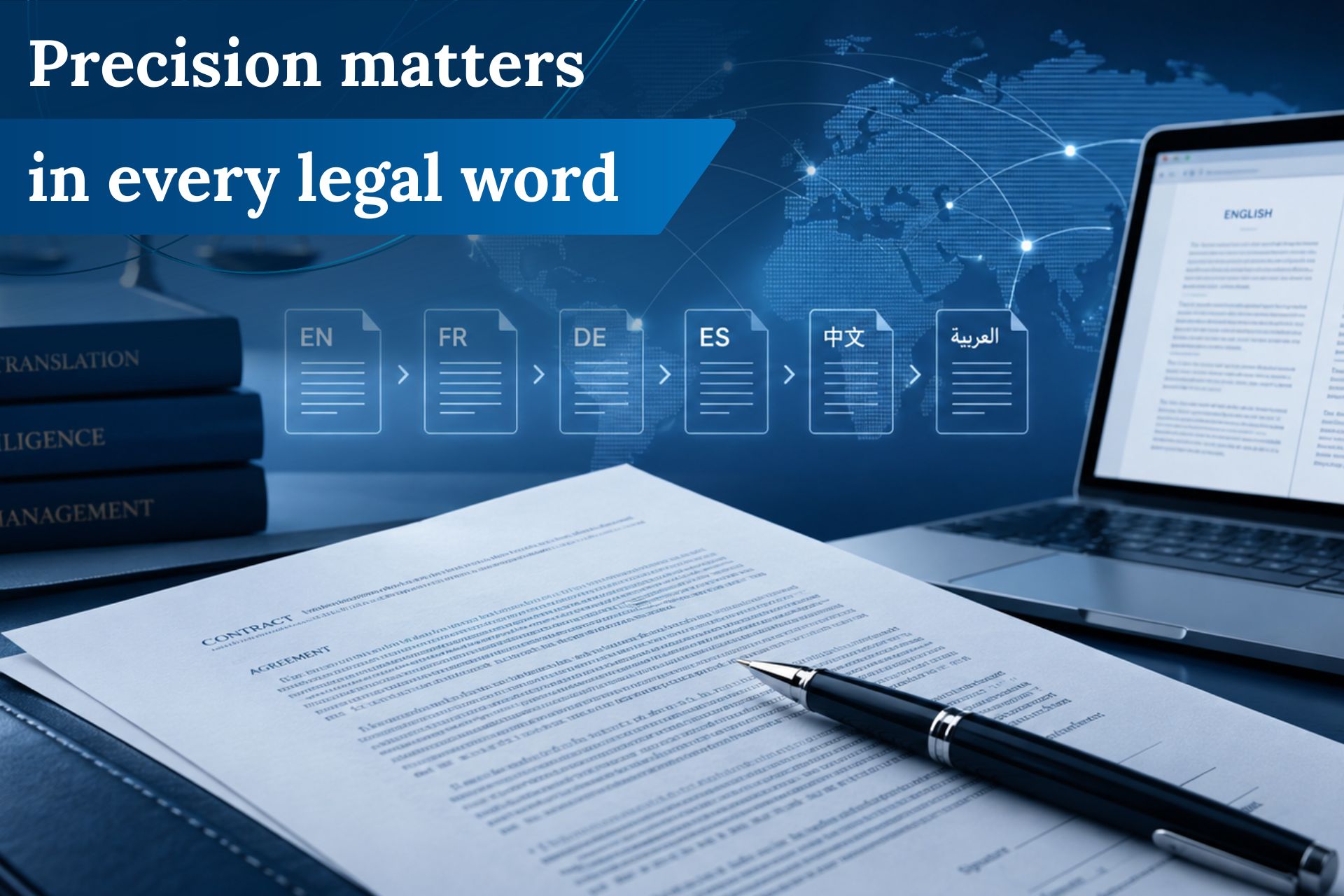
There’s no room for error when it comes to legal translation

Team translation: pros, cons and how to make it work
Let’s Create Something Great Together
Partner with us to craft impactful language solutions that drive your global success.
